
Last Updated on August 10, 2025 by ThePublic
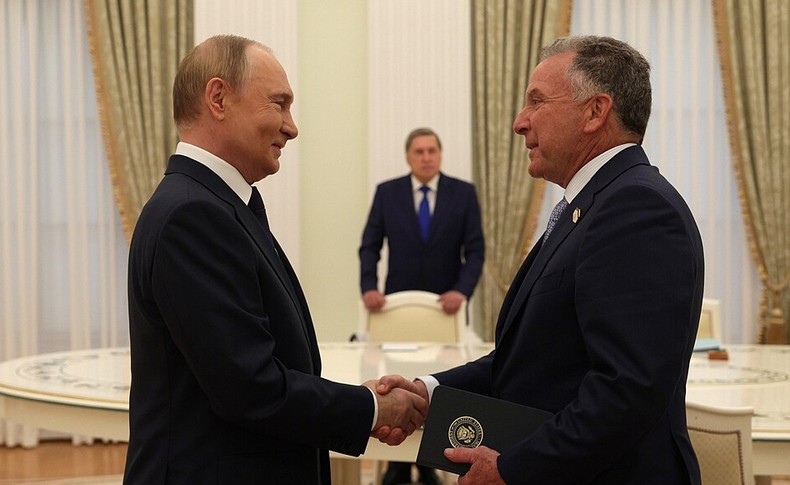
In a move as calculated as it was provocative, Russian President Vladimir Putin handed U.S. presidential envoy Steve Witkoff a Soviet-era Order of Lenin medal on August 6, 2025. The medal was intended for Juliane Gallina, a senior CIA official whose 21-year-old son, Michael Gloss, was killed in 2024 while fighting for Russian forces in Ukraine.
On its surface, this might seem like a bizarre act of post-Cold War diplomacy, a gesture of condolence or honor. In reality, it was a masterclass in psychological warfare, aimed at both undermining U.S. credibility and shaping the information battlefield of the Ukraine war.
The Propaganda Trap
The Order of Lenin, once the highest civilian honor in the Soviet Union, was awarded to legendary spies like Kim Philby. By giving it to the mother of a fallen Russian soldier, who happens to be a senior CIA officer, Putin forced Washington into an impossible choice:
- Accept it and appear compromised, or
- Reject it and seem callous to a grieving mother.
Either outcome fuels Kremlin narratives of hypocrisy and division inside the U.S.
Diplomacy in the Shadows
This symbolic maneuver came during high-stakes talks over ending the Ukraine war, with Trump threatening secondary sanctions on Russia by week’s end. That deadline came and went without sanctions, suggesting Putin’s move may have bought him negotiating space.
Witkoff’s history of multiple meetings with Putin, including past reliance on Russian government translators, has already raised security concerns. This incident only deepens the perception of blurred lines in Trump-era diplomacy.
Ukraine as the Chessboard
For Ukraine, this gesture is more than theater, it’s a weapon. Russian state media can now claim that even the families of senior CIA officials “stand with Russia,” undermining Ukrainian morale and muddying Western resolve. It’s a textbook example of hybrid warfare: using a personal tragedy to advance political and military goals.
A Pattern of Provocations
From spy swaps in the Cold War to prisoner exchanges in Syria, Putin has consistently used symbolic acts to destabilize adversaries. These “narrative strikes” cost him nothing but often yield outsized returns in confusion, hesitation, and propaganda value.
The Real Battle
In modern geopolitics, wars are fought as much in minds as on battlefields. By mixing personal grief, Cold War symbolism, and strategic timing, Putin has once again proven that diplomacy in 2025 is inseparable from psychological warfare.
And in the fog of negotiations, one thing is clear: this was not a gesture of goodwill. It was a calculated message, delivered in the form of an old Soviet medal, that America’s vulnerabilities are known, and they can be played like a card at the table.
Sources:
https://www.cbsnews.com/news/putin-award-order-of-lenin-american-ukraine